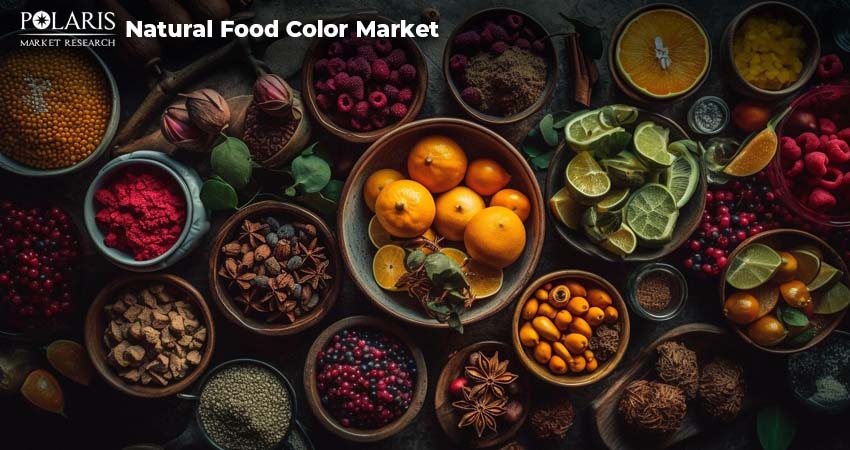
As we move towards healthier diets, natural food coloring is gaining popularity. While synthetic dyes may be questioned for health reasons, these colors are derived from fruits, vegetables, and spices, providing a rich and healthy means to add color to our food. Beets, with their deep red color, and turmeric, which provides the golden color, are natural food colorings that not only add a pleasing appearance but also offer a more sustainable and healthier choice.
What Are Natural Food Colors?
Natural food colors are plant-derived, fruit-derived, vegetable-derived, and spice-derived pigments. These colors are found naturally and offer a better, more environmentally friendly way to color food. Beet juice for red, spinach for green, and turmeric for yellow are examples of using vibrant colors without added artificial components.
Why are Natural Food Colors Gaining Popularity?
The natural food colors market was worth USD 2.1 billion in 2024 and is anticipated to register a CAGR of 8.40% from 2025 to 2034. The colors are used primarily to improve the look of the food. The growing demand for clean-label and plant-based foods drives the demand for natural food color.
Which Companies Are Dominating Market?
Givaudan: Givaudan is a Swiss-based multinational company that manufactures active ingredients for cosmetics, flavors, and fragrances. It was established in 1895 in Zürich, Switzerland. Its headquarters is located in Vernier, Switzerland. It is renowned for its spirulina-derived blues and reds, which are obtained from beetroot and pepper.
Döhler Group: The Döhler Group was founded in 1838 as a spice mill in Erfurt, Germany. It has its headquarters in Darmstadt, Germany. Döhler is known for natural food colors from fruits and vegetables. Its focus on sustainability and innovation makes it a market leader.
Sensient Technologies Corporation: Based in Milwaukee, Wisconsin, Sensient Technologies Corporation is a global manufacturer and seller of colors, flavors, and fragrances. It has been in business since 1882. Sensient is renowned for its diversity of natural color solutions. The company spends extensively on research to create new products that fulfill the changing demands of the food business.
Archer Daniels Midland Company: Based in Chicago, Illinois, and established in 1902, the Archer-Daniels-Midland Company, or ADM, is a global American food processing and commodities trading firm. ADM deals with a wide variety of natural food colors, including those derived from fruits, vegetables, and spices. ADM prioritizes sustainability and transparency in sourcing and production
Kalsec Inc.: Kalsec is a market leader in natural food coloring, offering a variety of colors sourced from spices, herbs, and vegetables. It focuses on sustainability and innovation, marking its products according to changing customer needs. It was established in 1958 and is headquartered in Kalamazoo, Michigan, USA.
Why Go Natural with Food Colors?
Natural colorings, made from fruits, vegetables, spices, and other plants, not only enhance the appearance of food. The use of products from the spices and seasoning market also offer nutritional benefits and are eco-friendly. The following are some of the advantages of natural colors:
Healthier Alternative to Artificial Dyes
Natural food dyes contain no synthetic chemicals, which are suspected to cause allergies, hyperactivity, and other health issues. By using colorants from beets, turmeric, spirulina, and other vegetables and plants, you're avoiding possible toxins.
Eco-Friendly and Sustainable
Natural food colors are biodegradable and renewable in origin, which is more environmentally friendly. Their production generally results in a lower carbon footprint than synthetic dyes.
Rich in Antioxidants and Nutrients
Natural dyes, in contrast to artificial ones, tend to preserve the health properties of their origin. Red from berries, for example, can contain antioxidant types available in the natural antioxidants market, whereas green from spirulina or spinach has vitamins and minerals attached.
Safe for All Ages
Because they're derived from food sources, natural colors are often safer for children and the food-sensitive population. Some parents choose these options to minimize exposure to artificial food additives in children's meals and snacks.
Enhance Natural Flavor and Appeal
Natural food coloring not only adds color to your meals but also brings out the subtle taste of the foods it derives from. A splash of blueberry or turmeric not only colors but also flavors.
Final Thoughts
Increased demand for healthier, cleaner, and sustainable food options is propelling the popularity of natural food colors. Based on fruits, vegetables, spices, and other plants, natural food colors not only make food look more appealing but also provide additional health benefits and a reduced environmental footprint over traditional synthetically derived dyes. With its advances in innovation and emphasis on clean-label products, the use of natural food colors is now the preferred choice throughout the food industry. Natural food colors offer a safe, nutrient-dense, and environmentally friendly option that meets contemporary consumer beliefs and dietary needs.


.webp)